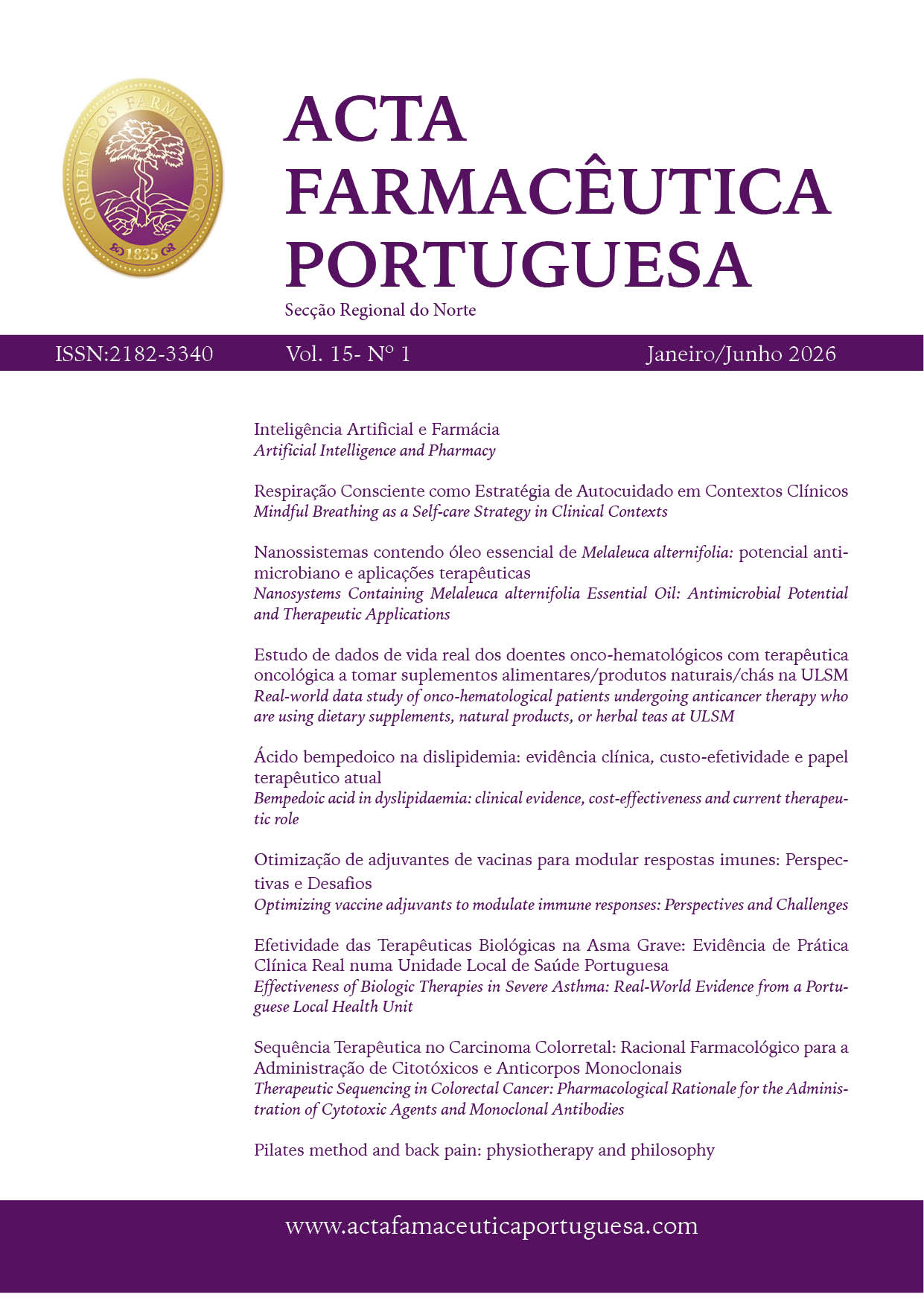
Bempedoic acid in dyslipidaemia: clinical evidence, economic considerations and current therapeutic role
Abstract
Introduction: Dyslipidaemia is one of the main modifiable risk factors for atherosclerotic cardiovascular disease, with LDL cholesterol (LDL-C) remaining a central therapeutic target in cardiovascular prevention. Despite the efficacy of available lipid-lowering therapies, many patients remain above the recommended therapeutic targets, particularly in settings of high cardiovascular risk or statin intolerance. Method: A narrative review of the literature was conducted through searches in PubMed, ScienceDirect and SciELO. The bibliographic selection prioritized international guidelines, clinical trials, reviews and regulatory documents related to bempedoic acid and dyslipidaemia therapy. Data on the availability and costs of lipid-lowering drugs in Portugal were also included. Results: Bempedoic acid is an oral drug that inhibits ATP-citrate lyase, reducing hepatic cholesterol synthesis and promoting increased expression of LDL receptors in hepatocytes. Its predominantly hepatic activation makes it particularly relevant in patients with limitations to statin use. Clinical trials have demonstrated consistent reductions in LDL-C, generally between 15% and 25%, with greater reductions when combined with ezetimibe. The CLEAR Outcomes trial demonstrated a reduction in major adverse cardiovascular events (MACE) in statin-intolerant patients with established cardiovascular disease or high cardiovascular risk. Discussion: Bempedoic acid represents a relevant therapeutic option for patients requiring additional LDL-C reduction or presenting with statin intolerance. Its oral administration, complementary mechanism of action and demonstrated cardiovascular benefit make it a valuable option for the individualisation of lipid-lowering therapy. However, its positioning should be defined according to the patient’s cardiovascular risk profile, therapeutic targets and individual characteristics. Conclusion: Bempedoic acid occupies an intermediate position in the management of dyslipidaemia, helping to individualise lipid-lowering therapy and address an important therapeutic gap that remains present in clinical practice, without replacing statins or other recommended therapies.
Keywords: bempedoic acid, dyslipidaemia, LDL-C, statins, cardiovascular risk.